
Retention-First Growth: How Elena Verna's PLG Model Applies to Early-Stage
Elena Verna advises the world's fastest-growing products on retention. Her insight: most founders optimize for acquisition first. Big mistake. Here's why retention is the real growth lever, and how to build your value loop, habit loop, and network effects in the right order.
Nikhil Kalanjee
3/23/20265 min read
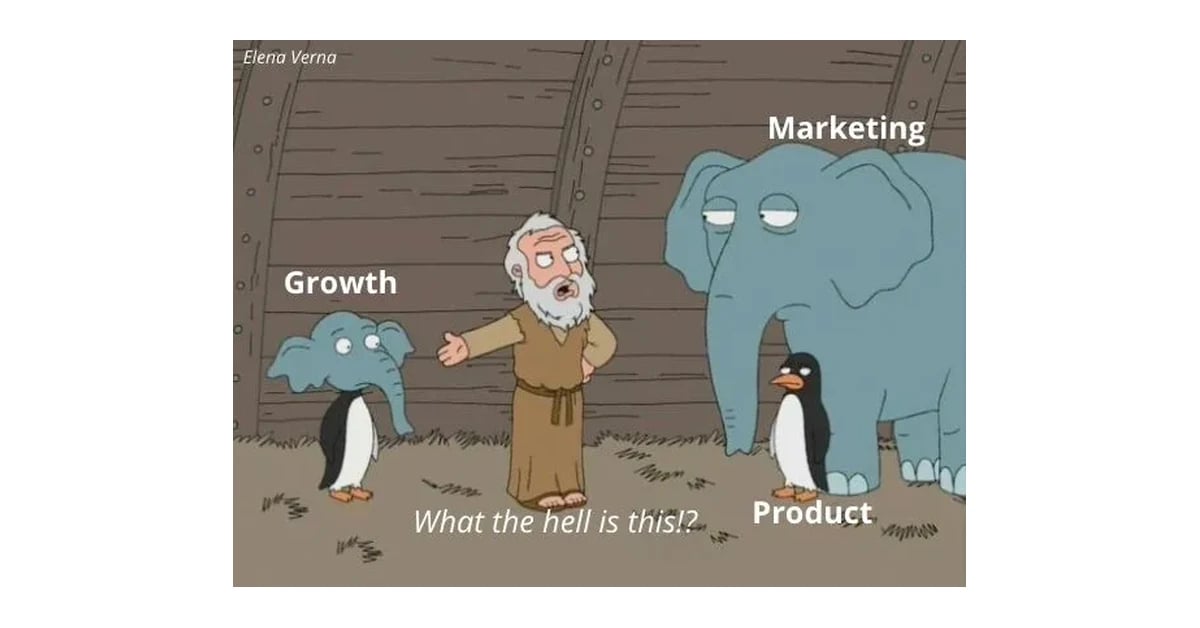
When most people talk about product-led growth, they think of freemium funnels and viral loops. Download the product, invite your friends, grow exponentially.
That's a piece of it. But the real power of Elena Verna's approach is different. It's about building your entire growth strategy around retention first, not acquisition first.
I really admire Elena's work and highly recommend her Substack. She's been through this at Miro, Amplitude, and MongoDB, and she's crystallised something most growth teams never figure out. If you're running a product-led company, she's essential reading. Here's how her framework actually works, and how it applies whether you're B2B or B2C.
The Three Layers of Product-Led Growth
Elena's model breaks PLG into three distinct layers. Most companies focus on Layer 1 and ignore the other two. That's why they grow for six months and then hit a plateau.
Layer 1: Value Loop
This is the core. When does your user get value from your product?
For a B2B SaaS product like Miro, the value loop is when a user creates a board, invites their team, and sees the collaboration happening in real time. They feel the product working. They can't go back to email and Slack and spreadsheets.
For a B2C product like Entegro Health, the value loop was different. It was when someone tried the product, experienced the benefit inside of 30 days, and signed up for a subscription. Once they felt the health improvement, they were in.
Your job is to make the value loop as short and as obvious as possible. The faster a new user gets to that moment, the more likely they are to stick around.
Questions to ask yourself:
• How quickly does a new user get to the 'aha moment'? An hour? A week?
• How obvious is the value? Does the product show them the benefit, or do they have to figure it out?
• Is the value repeatable? Do they get value once, or multiple times per week?
Layer 2: Habit Loop
Once users get initial value, can you make them want to come back?
This is about habit formation. The user gets value once, then twice, then three times. Eventually, using your product becomes part of their workflow.
For B2B products, this might be daily usage. For B2C, it could be weekly or monthly. The frequency depends on your product.
Amplitude is a good example. The first time you log in, you see your analytics. That's valuable. But the real habit forms when you check your dashboards daily, when you're monitoring KPIs, when you're tracking how changes impact your metrics.
The habit loop is what turns active users into retained users. Without it, people come back once and then forget about you.
Layer 3: Network Effects
This is the growth accelerant. The more people who use your product, the more valuable it becomes for existing users.
For Miro, the network effect is obvious. A collaborative whiteboard is more valuable when more people can collaborate. One person using Miro gets some value. Five people using Miro together gets exponential value.
For Entegro Health, the network effect works differently. It's when a user begins to share the product with their families. One person trying the product is one unit of engagement per month. When they share it with their family, it becomes five units of engagement per month.
Network effects don't happen automatically. They require thoughtful design. Can users collaborate? Can they invite others easily? Can they see the value increase when more people join?
Why This Wins
Acquisition costs are going up. LTV is going down. Churn has become easier than ever before, especially in SaaS where it is becoming easy for customers to take their data to the next best option.
Most growth teams respond by spending more on ads and sales. That's backwards. If your retention is broken, growth is just pouring water into a leaking bucket.
Elena's framework flips this. Fix the retention engine first. Make sure users get value in the first hour. Make sure they come back regularly. Make sure the value compounds as the network grows.
Only then should you scale acquisition. A dollar spent on acquisition is 10 times more efficient when your retention is strong than when it's weak.
How to Apply This to Your Product:
1. Audit Your Value Loop
Map out the exact moment when a new user gets value from your product. How many steps does it take? How long does it take? What could go wrong?
Most companies find their value loop takes way too long. New users get lost before they get to the good part. Your job is to shrink that loop.
Can you remove three steps? Cut the time in half? Explain the value more clearly? Often the answer is a combination of product changes and onboarding changes.
2. Measure Your Habit Loop
Pull your retention data. How many of your new users come back a week later? A month later?
If less than 40 per cent of users are retained at 30 days, your habit loop is broken. Focus here before anything else.
Ask your users directly. Interview your most engaged users. What makes them come back? Interview your churned users. Why did they leave?
3. Design for Network Effects
If your product can benefit from multiple users, make collaboration dead simple. Can someone invite a collaborator in one click? Can they see the value immediately?
If your product is single-user, think about virality. Can users share their output? Can they showcase what they've made? Can others see the value and want to join?
Where This Framework Doesn't Apply:
Elena's framework is powerful for SaaS and B2C products where users can try the product and get value quickly. But there are categories where retention-first thinking falls apart.
One-time purchase products don't benefit from retention-first thinking because there's no repeat usage. If you're selling a book, a course, or a piece of software people buy once and use once, retention metrics don't matter. Your focus shifts to customer satisfaction and word of mouth from that single use.
Highly commoditized markets make retention-first thinking difficult. When everyone's product is interchangeable and price is the primary driver, users churn because of cost, not lack of value. No amount of beautiful onboarding fixes that problem.
Pure transactional businesses with no repeat usage also break this model. If you're an insurance broker or a moving company, customers use you once every few years. Retention in the traditional sense doesn't apply. Your focus is on making that transaction smooth and referral-worthy.
Complex enterprise sales often require custom implementation, long sales cycles, and executive buy-in. Product-led growth doesn't work when the value loop takes six months and a dedicated implementation team.
Similarly, long-implementation products, where value doesn't show up for months, are difficult to apply this framework to. If you're building enterprise software that requires custom deployment, data migration, and weeks of configuration, product-led growth will only get you part of the way.
Regulated industries like fintech, healthcare, and insurance often have friction that makes product-led growth challenging. Compliance requirements, licensing, and regulatory approval can't be solved by a smooth onboarding flow.
For these categories, you still want to follow Elena's logic: make your value loop as short as possible, build habit formation where you can, and look for network effects where they exist. But you'll pair it with sales, implementation, and compliance teams.
The Real Lesson
Product-led growth isn't a silver bullet. But it's a north star that every growth team should be aiming toward, even in categories where you can't go fully PLG.
The teams that win are the ones that obsess over retention first. They make sure users get value quickly. They build habits. They design for network effects. Only then do they scale acquisition.
Start by auditing your value loop. If it's broken, everything else fails. Fix it first, then scale.